Water Damage Restoration Lilburn, GA
Water damage restoration in Lilburn, GA, around the clock. The restoration team extracts standing water, dries the structure to the IICRC S500 standard and documents every step for your insurance claim.
(888) 532-4616Speak with Lilburn dispatch nowZIP 30047 and 30048, plus Mountain Park, Snellville, Stone Mountain and Tucker.
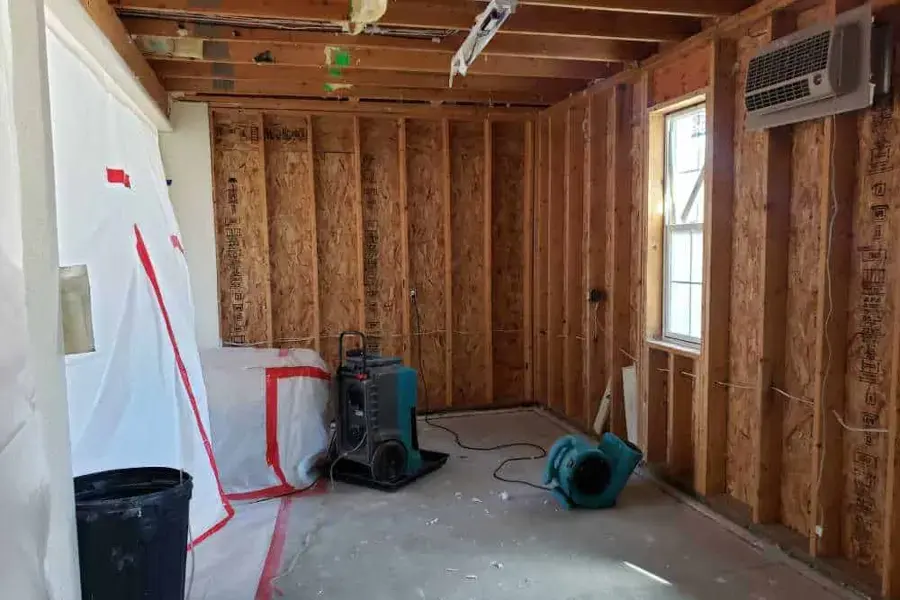
Water Damage Restoration Services in Lilburn, GA
Fourteen kinds of water loss, each handled the way its source demands. Pick the one that matches what is happening in your home or building.
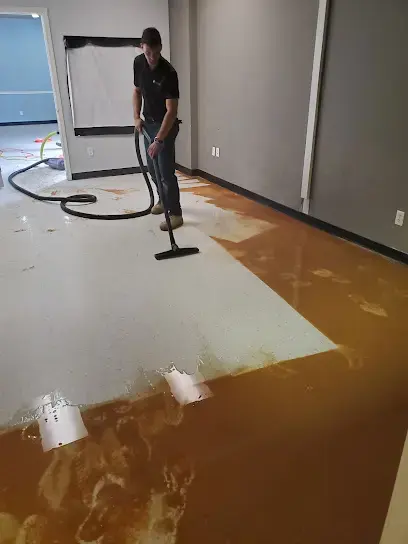
Water Extraction and Removal
Standing water pulled out with truck-mounted extraction before it wicks into drywall and subfloor.
See water extraction and removal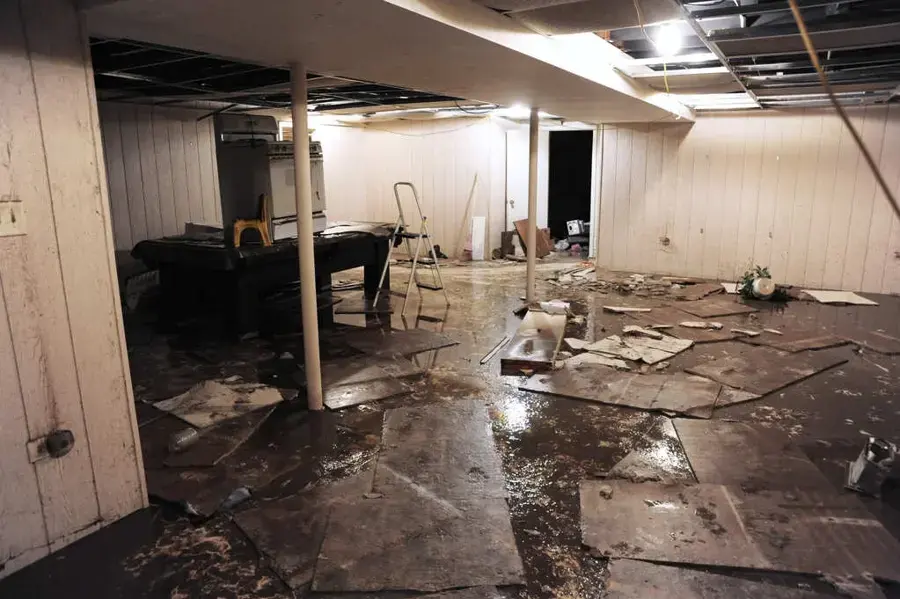
Basement Flooding Cleanup
Water pushed through block walls by saturated red clay, pumped out and dried to a reading.
See basement flooding cleanup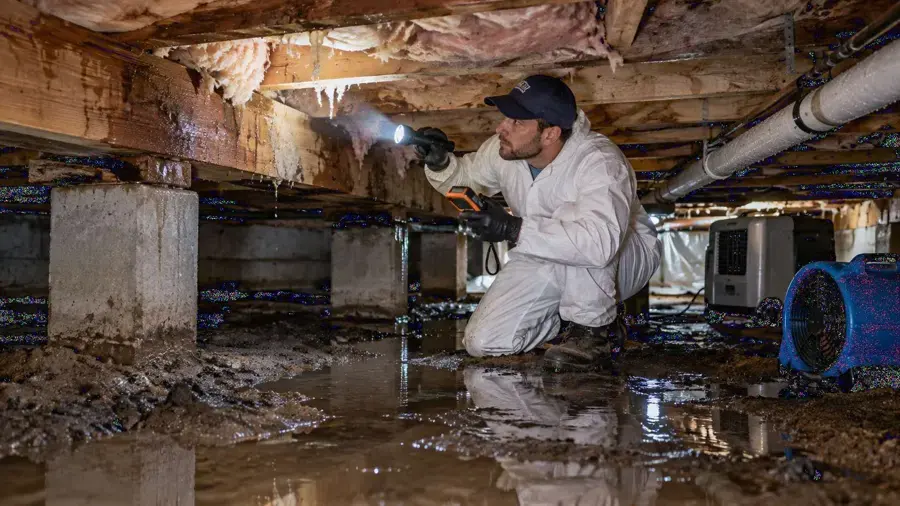
Crawl Space Water Damage
Standing water under the house removed, wet vapor barrier pulled and the joists dried.
See crawl space water damage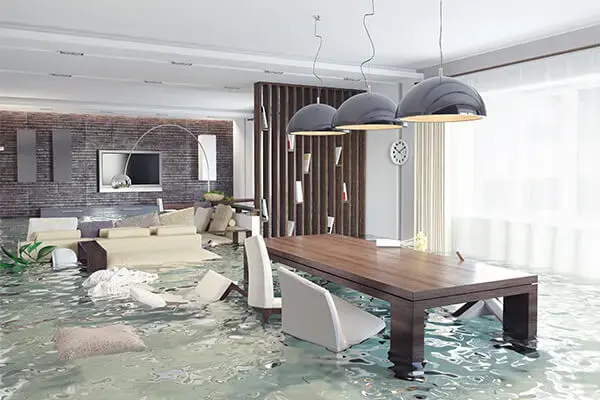
Storm and Flash Flood Cleanup
Thunderstorm runoff and creek overflow treated as contaminated water and dried out.
See storm and flash flood cleanup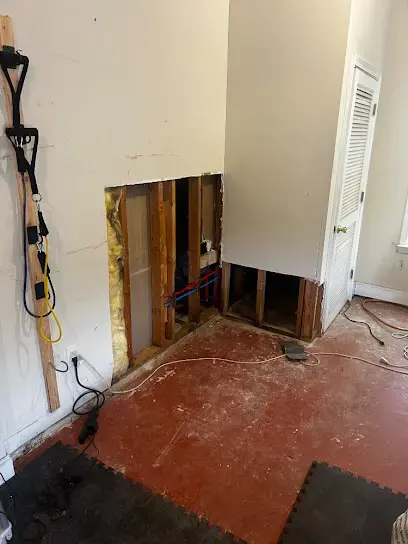
Burst Pipe Water Damage
Split supply pipes extracted, wall cavities opened only where meters say, then dried.
See burst pipe water damage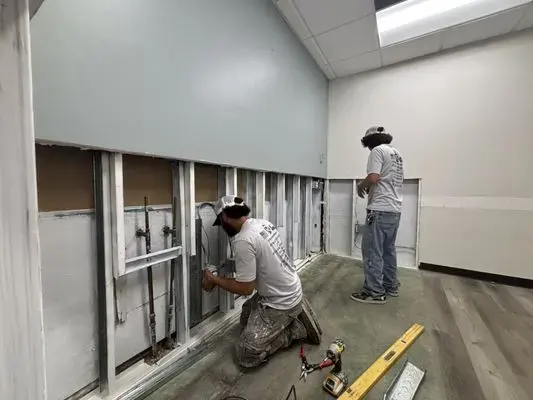
Frozen Pipe Cleanup
Hard-freeze breaks in exterior walls, attics and crawl spaces found and dried in place.
See frozen pipe cleanup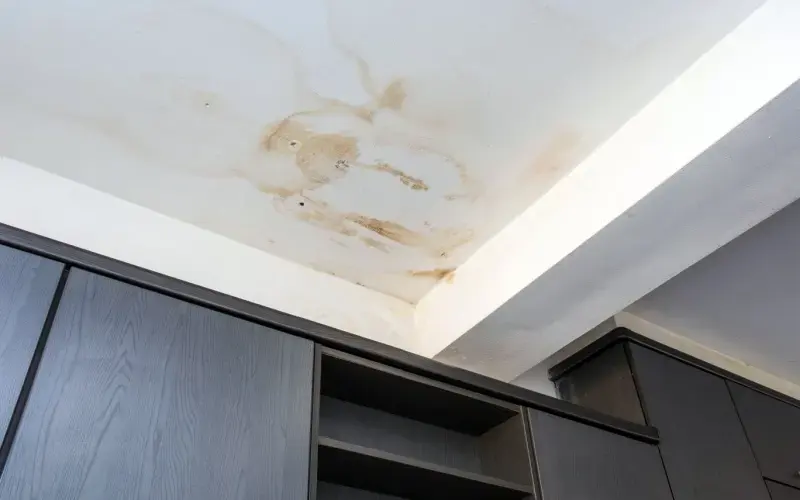
Ceiling Leak Water Damage
Upstairs bath and supply leaks traced, sagging drywall opened safely, joist bays dried.
See ceiling leak water damage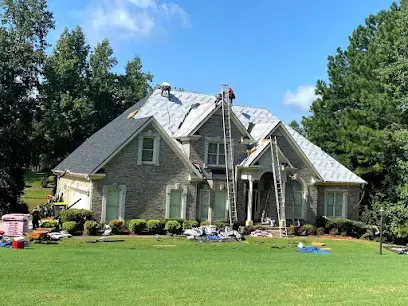
Roof Leak Water Damage
Storm and limb-strike openings tarped, wet attic insulation pulled, ceilings dried.
See roof leak water damage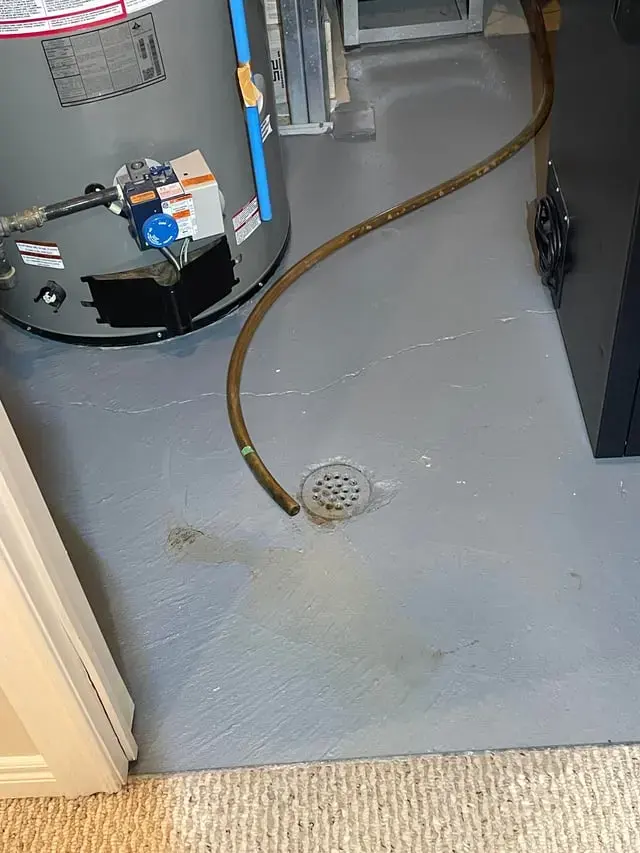
Water Heater Leak Cleanup
Basement and garage tank failures extracted and the floor and walls around them dried.
See water heater leak cleanup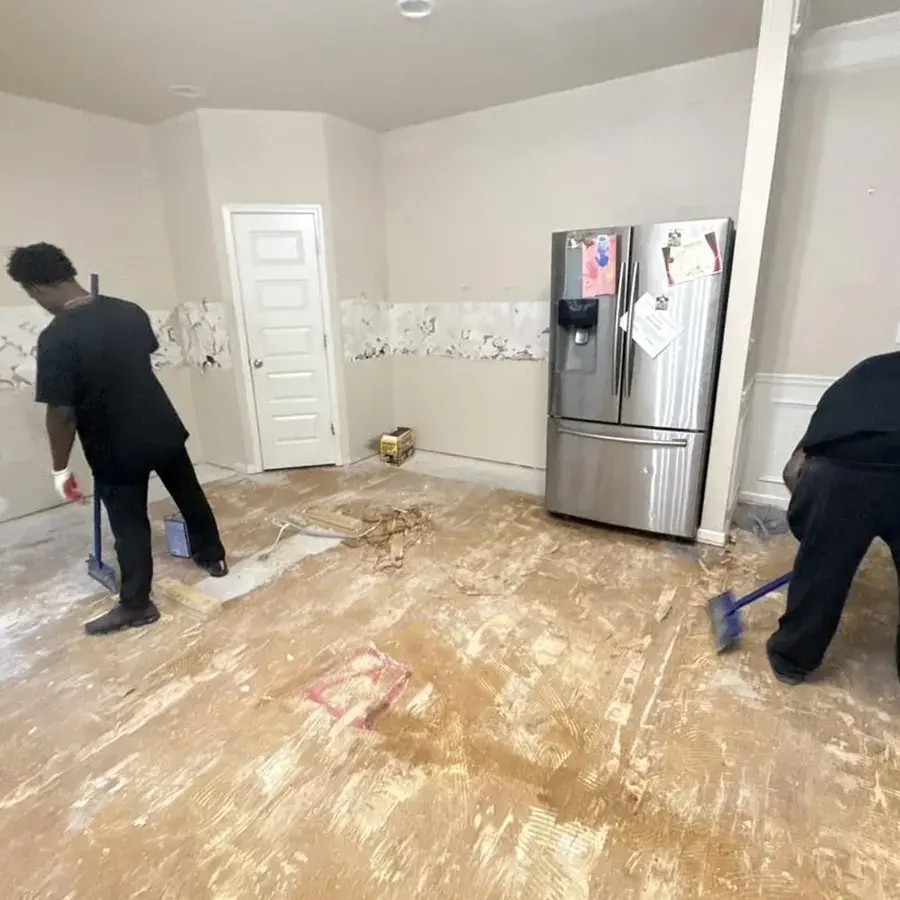
Appliance Leak Water Damage
Washer, dishwasher and ice maker hose failures dried under cabinets and flooring.
See appliance leak water damage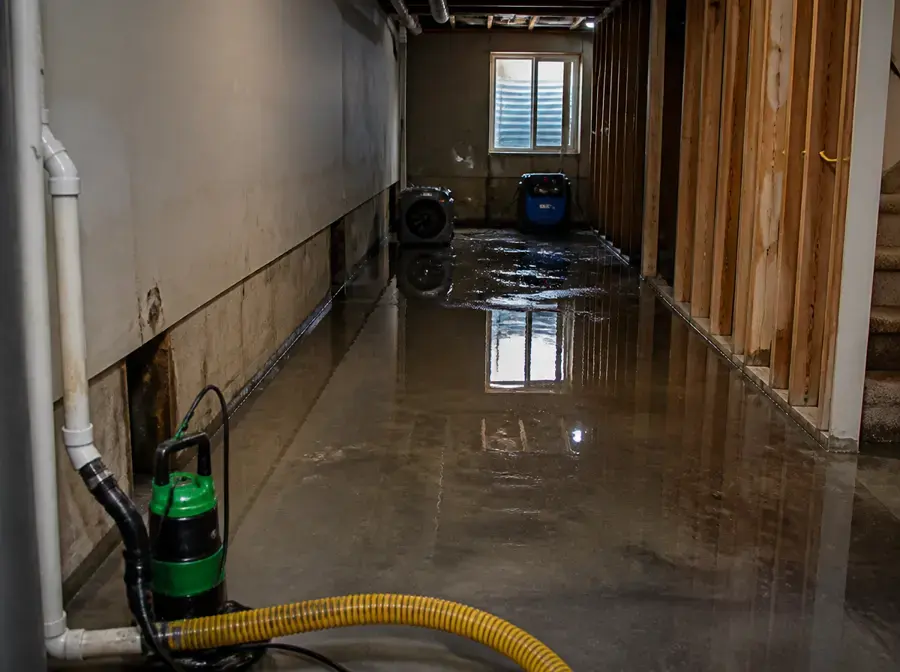
Sump Pump Failure Cleanup
Pits that overflow when storms knock out power, extracted and dried before carpet is lost.
See sump pump failure cleanup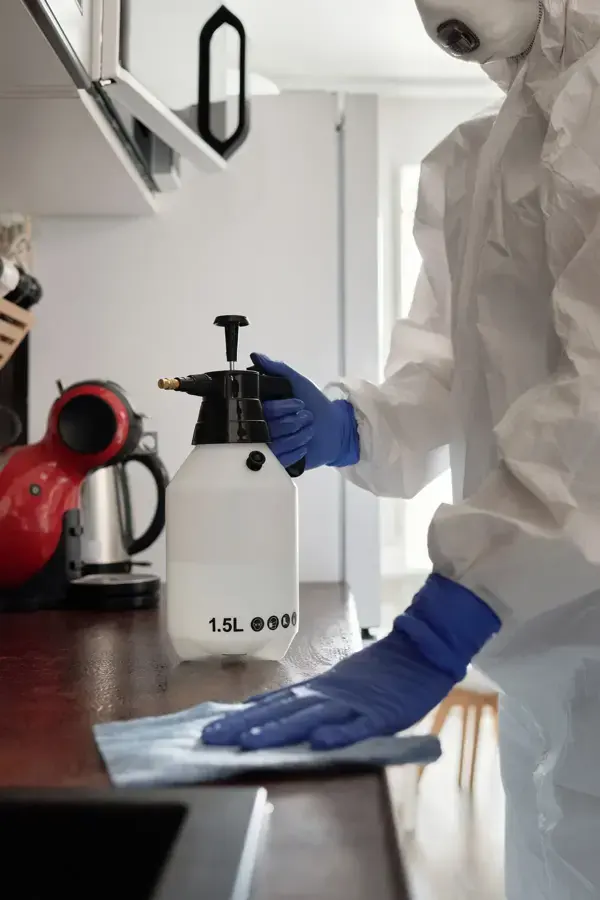
Sewage Backup Cleanup
Category 3 backups contained, porous materials removed, surfaces treated with antimicrobial.
See sewage backup cleanup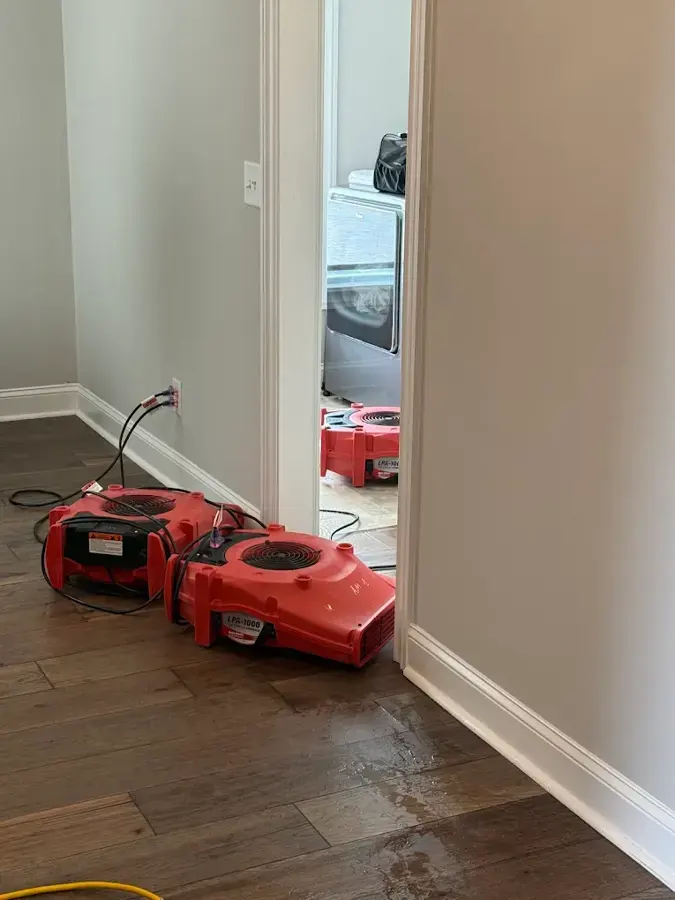
Structural Drying and Dehumidification
Framing, subfloor and cavities dried to within 2 to 4 points of a dry reference material.
See structural drying and dehumidification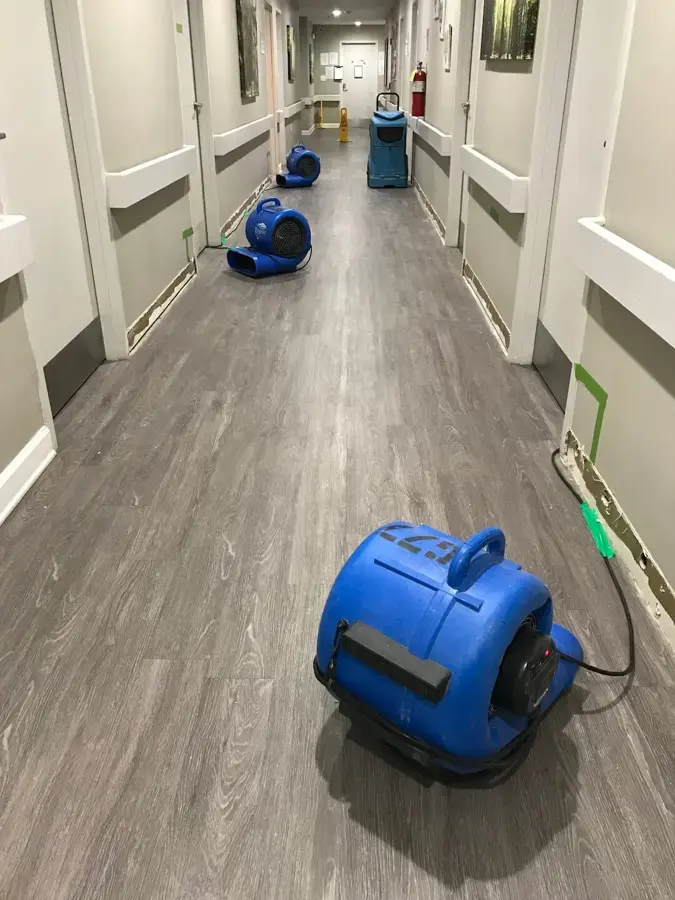
Commercial Water Damage
Offices, shops and churches along Lawrenceville Highway dried in phases to stay open.
See commercial water damageWhat to do while the water is still moving
- 1
Shut the water off
Close the main valve, usually near the meter or where the pipe enters, or the fixture valve.
- 2
Cut power to wet rooms
Only if the breaker panel is on dry ground and safe to reach.
- 3
Stay out of deep water
Keep clear of standing water near outlets, cords, a furnace or a water heater.
- 4
Photograph first
Wide shots and close-ups of the water and damage before anything moves.
- 5
Lift, then call
Get rugs and valuables up. Mold can start within 24 to 48 hours.
What does water damage restoration cost in Lilburn, GA?
In Lilburn, GA, water damage restoration typically runs $1,000 to $25,000, with most clean-water leaks at the low end and floods or sewage at the high end, depending on the water category, the square footage, the material class and how fast drying started.
Small clean-water leak
- One or two rooms
- Extraction and drying in place
- Daily moisture readings
Basement, crawl space or a level
- Carpet, pad and flood cuts
- LGR and desiccant drying
- Claim file documentation
Flood or sewage, several rooms
- Category 3 removal
- Containment and HEPA
- Extended structural drying
These are typical ranges, not quotes. Try the Lilburn water damage cost calculator or the drying time estimator for a closer read on your situation.
Water damage dried to the IICRC S500 standard
What separates a finished dry-out from a cosmetic one is the order of the work and the proof at the end. The equipment stays until the readings say dry, not until the room looks dry.
- 1
Moisture mapping first
The tech who does the walkthrough maps wet materials with pinless meters and thermal imaging before any equipment goes down.
- 2
Truck-mounted extraction
The extraction crew pulls standing water and presses water out of carpet and pad so it leaves the house.
- 3
Air movers and LGR dehumidifiers
Equipment is sized to each room's class of loss, with desiccants for hardwood, plaster and block.
- 4
Daily readings to the goal
The drying team logs readings every day and pulls equipment only when materials sit within 2 to 4 points of a dry reference.
All water damage categories covered in Lilburn, GA
Category 1: clean water
Supply pipes, water heaters and faucets. Caught early, most materials dry in place.
Burst pipe water damageCategory 2: gray water
Washers, dishwashers and sump overflow. Pad comes out and surfaces get antimicrobial.
Sump pump failure cleanupCategory 3: black water
Sewage and floodwater. Porous materials it touched are removed, not dried.
Sewage backup cleanup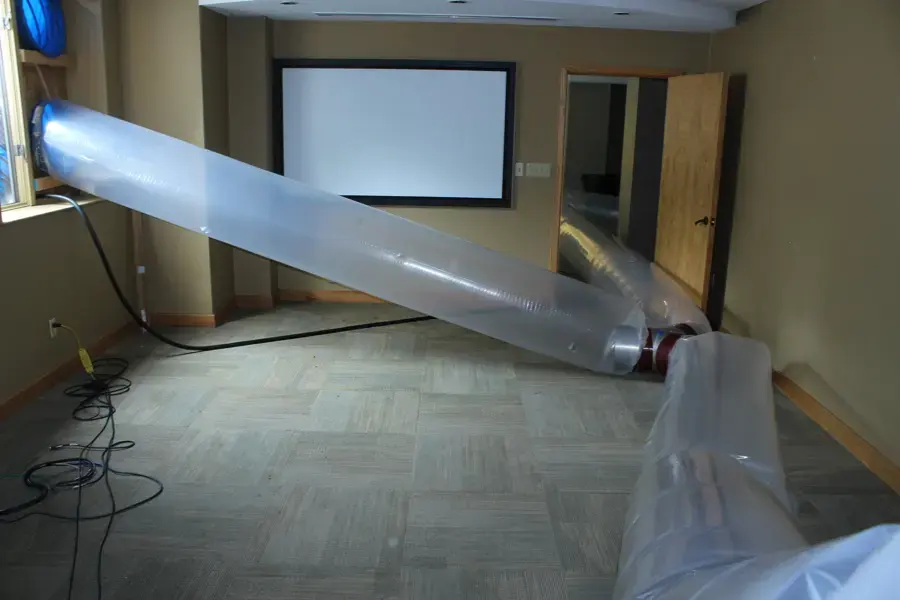
How the Lilburn restoration crew handles a water loss
Water in a Lilburn home rarely stays where it lands. It runs under baseboards, down split-level stairs and into crawl spaces and basements, so the restoration team works from readings, not guesses.
Rapid local response
The response team dispatches around the clock, and active water in Lilburn is treated as urgent at any hour.
IICRC S500 drying standard
Structural drying, not just surface drying, with equipment sized to the class of loss.
Claim-ready documentation
Moisture maps, daily psychrometric logs and timestamped photos taken before any demolition.
Gwinnett water experts
Red clay seepage, crawl spaces, freeze breaks and Yellow River storms are the usual losses here.
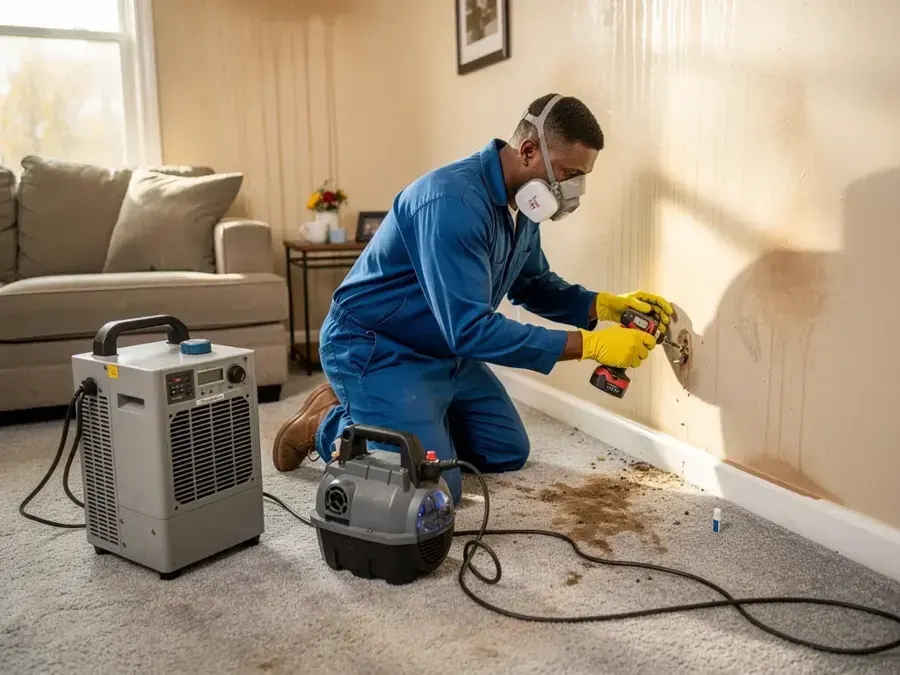
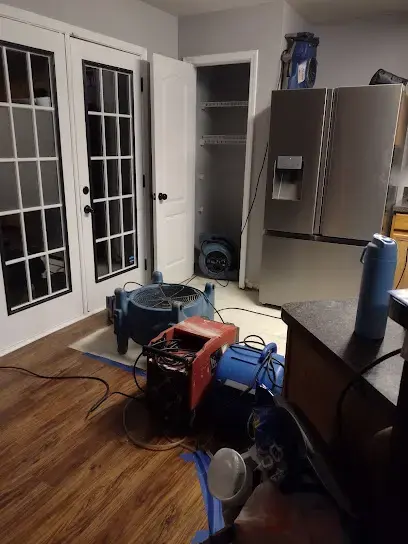
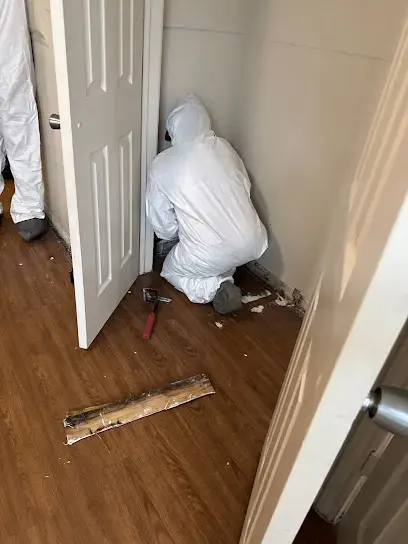
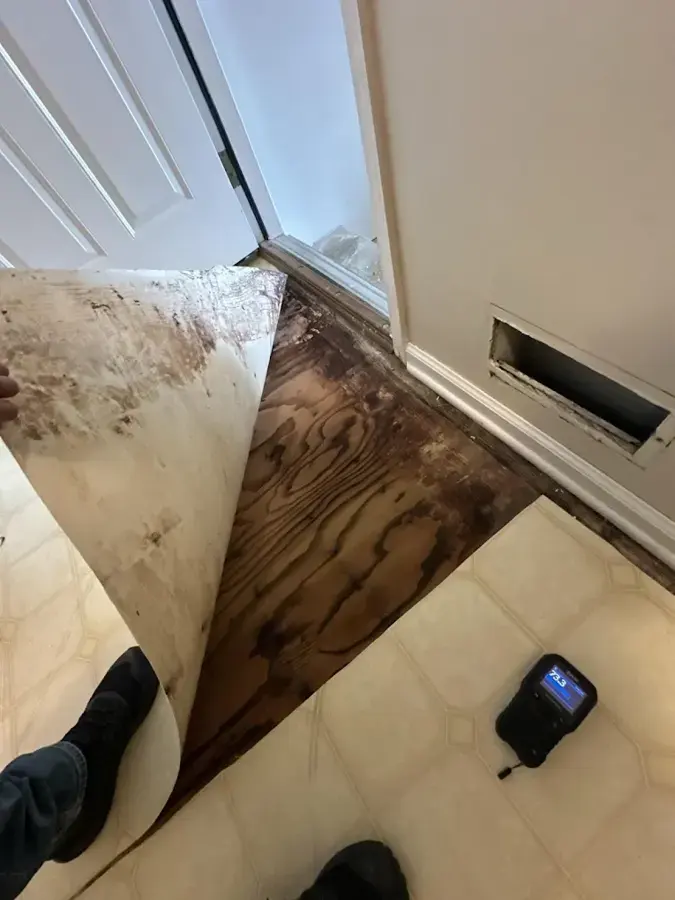
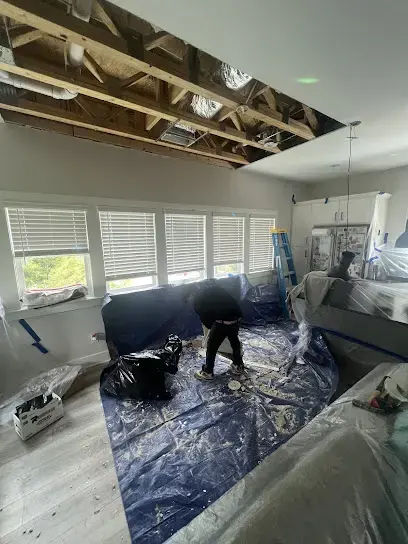
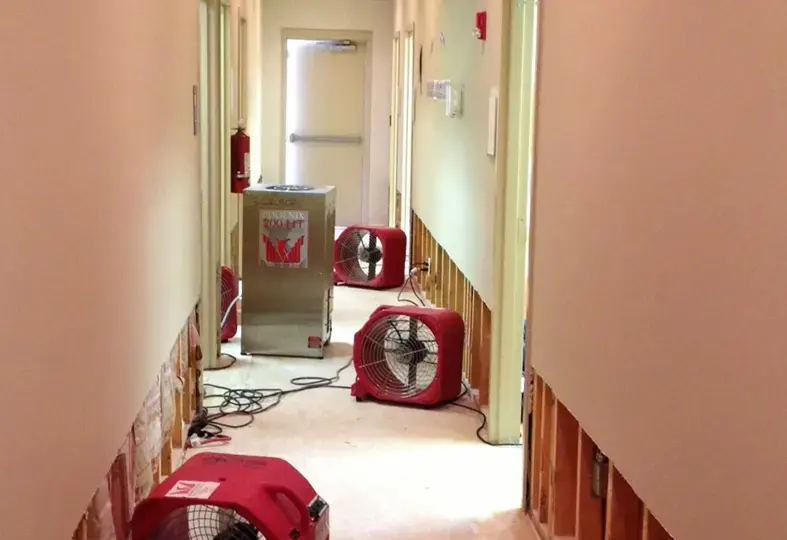
What a water damage dry-out looks like in Lilburn
Documentation for your insurance claim
A water claim is decided on the file, not on the phone call. Here is what a complete Lilburn claim file carries.
- The moisture map from the first visit, showing every wet material
- Daily psychrometric logs and material readings until the drying goal is met
- Timestamped photos taken before any demolition or removal
- The category and class of the loss, which set what is removed and what is dried
- A line-item scope in the format adjusters expect
Check your own policy
Sudden and accidental discharge, a burst supply pipe for example, is treated differently from rising surface water, which falls under flood coverage. Sewer backup often needs its own endorsement.
Coverage depends on your policy, so it is worth checking with your own insurer. Ask the restoration contractor who responds what documentation comes with the job.
Water damage restoration across Lilburn and southern Gwinnett
Lilburn corridors and neighborhoods
ZIP codes
Nearby towns
Water damage in Lilburn, GA: the local risk profile
Lilburn sits in the rolling Piedmont of southern Gwinnett, between the Yellow River corridor and Camp Creek, with most homes built from the 1970s through the 1990s.

September 2009: days of rain over metro Atlanta pushed the Yellow River and its creeks over their banks across southern Gwinnett, flooding basements and low homes far from any mapped flood zone.
- Red clay runoff: Piedmont clay drains slowly, so storm water sheets toward foundations and presses through block basement walls.
- Crawl spaces: Vented crawl spaces under many homes collect runoff and pipe leaks that stay hidden until floors cup or smell.
- 1970s to 1990s plumbing: Homes from that era can carry polybutylene or galvanized supply pipe that fails at fittings and threads.
- Hard freezes: Short, sharp cold snaps like December 2022 split pipes in exterior walls, attics and crawl spaces.
- Summer storms: Thunderstorms drop limbs from mature pines onto roofs and knock out power to sump pumps.
Lilburn water damage questions, answered
What should I do in the first hour after finding water?
Shut off the water at the main valve or the fixture, turn off power to wet rooms if the panel is dry, stay out of standing water near outlets, photograph everything before moving it, then call for extraction. Mold can start within 24 to 48 hours on wet materials.
How fast does someone respond in Lilburn?
The response team dispatches at any hour across ZIP 30047 and 30048 and the nearby towns, and active water is treated as urgent, including nights, weekends and holidays.
What causes most water damage in Lilburn homes?
Storm water pushed through basement walls by saturated red clay, standing water in crawl spaces, burst supply pipes in hard freezes, and water heater and appliance hose failures.
How long does drying take?
A contained Class 1 loss, one room with low-porosity materials, usually dries in three to five days. Hardwood, plaster, block and multi-level losses take longer, and equipment comes out only when readings match a dry reference.
What is IICRC S500?
IICRC S500 is the industry standard for professional water damage restoration. It covers moisture mapping, water categories and classes, equipment sizing and the drying goal.
Is water damage covered by insurance?
Sudden and accidental water, such as a burst supply pipe, is often covered. Rising surface water usually needs flood coverage, and sewer backup often needs an endorsement. Coverage depends on your policy, so check with your own insurer.
What is the difference between mitigation and repair?
Mitigation stops the damage: extraction, removal of ruined materials and drying. Repair, such as new drywall, paint and flooring, starts only after the structure reads dry.
When does drywall have to come out?
When meters show it cannot dry in place, when insulation behind it is soaked, or when Category 3 water touched it. Clean water caught early often dries without removal.
Why is sewage handled differently?
Sewage is Category 3 the moment it happens. Porous materials it touched are removed, the area is contained, and surfaces get an EPA-registered antimicrobial before drying.
How is the cost worked out?
By the water category, the square footage that got wet, the material class and how fast drying started. The cost calculator gives a typical range for a Lilburn home.
Water damage in Lilburn? Start the dry-out now.
Every hour water sits, more drywall, pad and subfloor has to come out. The extraction crew pulls the water, and the drying team dries the structure to a verified reading.
(888) 532-4616Call now for Lilburn water removal